


MARVEL SNAP: Hero Strategy CCG
3.423.39K Reviews
App Specs
- Version
- 56.4.1
- Updated On
- License
- Free
- Downloads
- 10,000,000+
- Developer
- Second Dinner
- Categories
- Strategy
- Platform
- Android
Screenshots
 Analysis by AppCompare
If you’re opening MARVEL SNAP for the first time, the best way to approach it is as a compact strategy game, not a long Marvel story or a collection of elaborate missions. I found the appeal in its quick decisions: a small deck, a changing board, and a short window to decide where my cards matter most. You can enjoy it without knowing every character, though recognizing the heroes and villains makes the card art and abilities more fun.
What a first match asks of you
The basic objective is easy to grasp: win more locations than your opponent by the end of the match. The tricky part is that a location can change what cards do or where they can be played, so a plan that looks strong at the start may need to shift. I’d focus on learning the board before worrying about building a perfect deck. A useful early habit is to read each location as it appears, then ask whether it rewards playing there, makes another lane more valuable, or is better left alone.
That small pause matters because power is not the only consideration. A card that looks impressive in isolation may be less useful than one that supports a combination or keeps your options open. With only a dozen cards in a deck, every draw can change your choices, and a flexible plan is often more valuable than trying to force the same sequence every game.
A relaxed path from install to a first win
When you begin, play a few matches with the cards you have rather than treating the opening deck as a puzzle you must solve before you can compete. Try different cards in different locations and notice what happens when abilities interact. If a match goes badly, look back at the decision that mattered most: did you commit too much to one location, overlook a location effect, or stay in a match after your chances had narrowed? That review is more useful than changing several cards at once.
For a first meaningful success, aim to win two locations through a clear plan rather than trying to dominate the whole board. I like to keep one lane contested while building a second, then use later turns to respond to what the opponent has shown. This is not a guaranteed recipe, since location effects and draws vary, but it gives a new player a manageable way to think about the board. A small improvement in reading the situation can feel more satisfying than a lucky win.
When the stakes rise
The snap mechanic is worth learning slowly. Snapping raises the stakes of a match, so I would not use it just because a hand looks exciting or because I want to end a game quickly. First consider what you know: the locations, the cards already played, and whether your remaining options can realistically secure two lanes. If the board is going against you, leaving can be the sensible choice. Knowing when not to push is part of the strategy, not a failure to play boldly.
That makes the game engaging for people who enjoy reading an opponent, but it can also feel uncomfortable if you dislike decisions that attach consequences to uncertainty. I found it more enjoyable once I treated a snap as a judgment call rather than a dare. You do not need to be right every time; you need to avoid making the same rushed decision without learning from it.
Worth Reading Before You Choose

EA SPORTS FC Mobile 26 Is a Bigger Football Game, but It Takes Time

Flipboard Shows What News Apps Must Do Beyond the Feed

Switching to Android Auto Means Rethinking Your Driving Routine

Google Calendar Makes a Crowded Week Easier to Manage

Ludo King Makes the Most of the Minutes Between Plans

Baby Panda World Brings Quick Play to Modern Phones, but Its Game Library Feels Busy
First Impressions and Gameplay
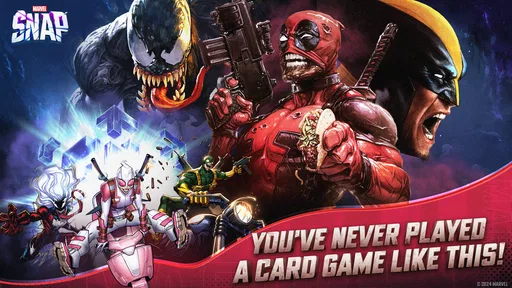
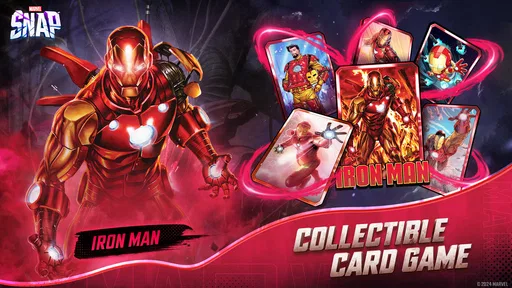
The first thing that hits you with MARVEL SNAP is its vibrant and visually stunning design. The artwork is top-notch, capturing the essence of the Marvel characters we all know and love. From Spider-Man’s iconic web-slinging to Hulk’s earth-shattering smash, every card is a mini masterpiece.
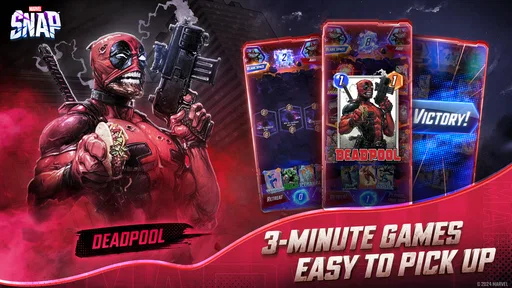
But it’s not just about looks—this game hooks you with its fast-paced strategy. Each match lasts about three minutes, making it perfect for quick gaming sessions. The goal is simple: outsmart your opponent by capturing two out of three locations with the highest power score. Sounds easy, right? But here’s the twist—your deck is limited to just 12 cards. You’ve got to think on your feet and adapt your strategy with each draw.
Building Your Deck
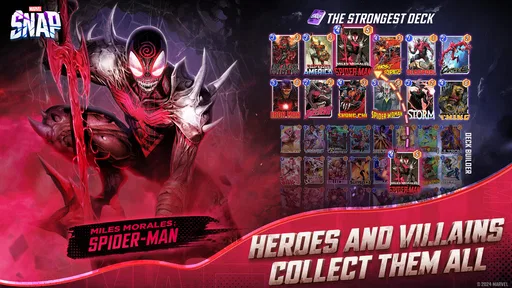
Building your deck is where the real fun begins. You start with a basic set of cards and gradually unlock more as you progress. The game encourages experimentation, pushing you to try different combinations of heroes and abilities. Whether you prefer an aggressive playstyle with high-power cards or a more tactical approach with clever combos, there’s something here for everyone.
One of the game’s standout features is its dynamic card abilities. Cards can affect not only your side of the board but also disrupt your opponent’s strategy. For example, dropping a card that doubles power at a specific location can turn the tide in a flash. It’s all about anticipating your opponent’s moves and countering them effectively.
Strategic Depth
What I love about MARVEL SNAP is its strategic depth. Each location in the game has unique properties that can drastically change the outcome of a match. Some locations might give bonuses to specific card types, while others might change the way cards are drawn. This adds an extra layer of strategy, forcing you to adapt your tactics on the fly.
The game’s snap mechanic is another brilliant addition. At any point, you can "snap" to double down on your confidence in winning the match, increasing the stakes. It’s a high-risk, high-reward system that keeps you on the edge of your seat. Do you snap now to intimidate your opponent, or hold off for a more decisive moment? It’s these decisions that make each match feel unique and exciting.
Beyond the match itself, I would treat deck-building as a small, ongoing experiment rather than a hunt for one unbeatable setup. When a new card becomes available, try swapping it into a deck whose plan it actually supports. If you change several cards together, it becomes harder to tell which one improved your results. Keeping a simple mental note of what your deck is trying to do—build power steadily, exploit an ability, or disrupt a rival—makes each test more informative.
There is also a practical difference between a deck that can win spectacularly and one that feels dependable. A combo may be powerful when its pieces appear in the right order, but a compact deck still has to cope with awkward draws and locations that interfere with its plan. I prefer judging a card by how often it gives me a useful choice, not just by its best possible turn. That approach helps avoid rebuilding everything after one unlucky match.
Making short sessions work
The brief match format suits little pockets of free time: a quiet break, a commute when you are not driving, or a few minutes before moving on to something else. I would still avoid starting a match when I know I have to stop immediately. The decisions are quick, but the snap system makes it worth seeing a match through rather than abandoning it halfway through a close board.
A realistic routine is to play a match or two, then stop and consider one decision instead of chasing a win streak. Did you spend a strong card too early? Did you assume a lane was secure before seeing the opponent’s final play? That kind of brief reflection gives the game a satisfying learning curve without turning a casual pastime into homework. If you have only a moment, a match can fit; if you are already frustrated, taking a break is usually the better move.
How it feels beside other strategy games
Compared with strategy games built around long campaigns, complicated resource systems, or lengthy matches, this one is easier to pick up for a quick round. Its challenge comes from making a few consequential choices under changing conditions, not from managing a sprawling board for an extended session. That makes it a good fit if you want tactical decisions without setting aside a large block of time.
The trade-off is that players who love slow planning, extensive deck control, or a story that carries from one session to the next may find the format too compressed. The changing locations add variety, but they can also make a carefully prepared plan feel less reliable. If you want every match to reward a fixed strategy, a more predictable card game may suit you better. Here, adapting is part of the point.
Who is likely to enjoy it—and who may not
I’d recommend it to Marvel fans who like testing combinations, as well as to strategy players who enjoy reading a board and adjusting quickly. You do not need deep comic knowledge to understand the objective, and the compact deck keeps the number of decisions approachable. New players can make progress by learning what their own cards do and paying attention to locations, rather than memorizing a huge collection before they can have a useful match.
I would be more cautious about recommending it to someone who wants a purely relaxed, consequence-free card game. The snap mechanic can make uncertainty feel tense, and losing after a confident decision can sting. It may also be a poor fit if you dislike collecting cards over time or prefer to choose every tool in a complete deck from the outset. The game is free to start, but in-app purchases range from $0.99 to $99.99 per item, so I’d decide on a spending limit beforehand and treat purchases as optional rather than necessary for enjoying a match.
Collection, cost, and what to expect
Second Dinner’s game is free, with optional in-app purchases, and its Teen age rating is worth checking if you are choosing it for a younger player. Its average rating is 3.3 from around 469,000 ratings, while more than 10 million installs show that it has reached a broad audience. I wouldn’t use popularity as a promise that every player will enjoy it: the rapid format and competitive stakes are specific tastes, and the collection side may appeal to some people more than others.
Card unlocks and cosmetics give you reasons to keep engaging with your collection, but I’d separate those goals in my mind. A new appearance is a personal treat; a useful card can change the options available to a deck. If you are deciding whether to spend, first give the free experience time to show you whether you enjoy the actual matches. The most important question is not whether a particular card looks exciting, but whether you like the process of adapting when your preferred plan does not fit the board.
Common points of confusion
One easy mistake is to assume that winning a location by a large margin is always the best use of cards. Since the overall aim is to take two locations, extra power in a lane you already control may not help as much as making a second lane competitive. I try to check the whole board before committing a high-impact card. This is especially useful when a location’s effect changes the value of what is already there.
Another is reading a bad draw as proof that a deck is broken. With a small deck, a missing card can be noticeable, but a match also depends on location effects and the opponent’s choices. Before replacing cards, play enough to see whether the same problem happens repeatedly. And if a snap feels confusing, remember that it changes the stakes rather than making your cards stronger; confidence should come from the position you can explain, not from hoping the next draw fixes everything.
Players may also wonder whether they need to spend money to begin. I would start without spending and decide based on whether the basic loop is enjoyable. The game’s free entry makes it easy to try, but optional purchases can make the collection feel like a separate goal. If you want a no-pressure experience, set a clear budget—or none—and focus on learning the cards you already have.
Community and Social Features
Let’s talk about the community aspect. MARVEL SNAP offers a social element that’s both engaging and competitive. You can challenge friends or random players from around the globe, and the matchmaking system does a pretty decent job of pairing you with opponents of similar skill levels.
The game also rewards you with new cards and cosmetics as you level up, keeping the grind fresh and rewarding. And trust me, who doesn’t want a shiny new variant of their favorite superhero card?
Final Thoughts
So, is MARVEL SNAP worth your time? Absolutely. It’s a stellar blend of strategy, speed, and superhero action that’s hard to put down. The game’s design and mechanics are polished, offering a satisfying experience whether you’re a casual gamer or a hardcore strategist.
Second Dinner released it on October 15, 2022, and the current version is 50.13.21, with Android support starting at version 7.0. Those details make it accessible to many older devices, though I’d still check that your phone meets the system requirement before installing. The numbers describe a well-established game, but what matters for a first-time player is whether its short, tactical matches fit the way you like to play.
If you’re ready to unleash your inner strategist and dive into a world full of iconic Marvel characters, give MARVEL SNAP a shot. It’s free to play, so there’s no reason not to jump in and start snapping!
Pros
- Engaging card battles with unique Marvel characters.
- Frequent updates keep gameplay fresh and exciting.
- Visually stunning artwork enhances immersion.
- Simple rules but deep strategic gameplay.
- Quick matches perfect for short play sessions.
Cons
- Requires constant internet connection to play.
- In-app purchases can become expensive quickly.
- Limited offline features for solo play.
- Steep learning curve for new players.
- Occasional matchmaking imbalances.
FAQs for MARVEL SNAP: Hero Strategy CCG
What is the main objective of MARVEL SNAP?
In MARVEL SNAP, the main objective is to strategically use your deck of cards featuring iconic Marvel characters to outsmart your opponent. Players compete to control locations on the board, and the player who manages to control two out of three locations by the end of six turns wins the match.
How does deck building work in MARVEL SNAP?
Deck building in MARVEL SNAP involves selecting a combination of 12 cards from your collection. Each card represents a Marvel character with unique abilities. Players must balance power, cost, and synergy to create effective strategies. New cards can be unlocked as you progress, allowing for more diverse and powerful decks.
Is MARVEL SNAP free to play, and are there in-game purchases?
Yes, MARVEL SNAP is free to play. However, it offers in-game purchases that allow players to buy new card packs, cosmetic upgrades, and other enhancements. While purchases can speed up progression and customization, players can still enjoy the game and unlock new content through gameplay alone.
What platforms is MARVEL SNAP available on?
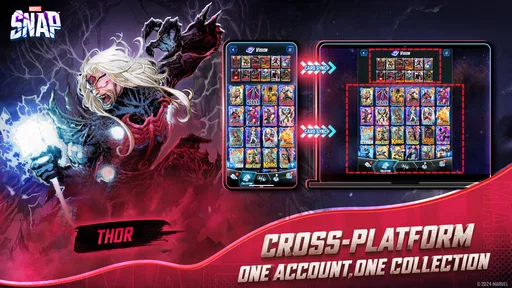
MARVEL SNAP is available on both Android and iOS platforms. Players can download it from the Google Play Store or the Apple App Store. Additionally, the game features cross-platform support, allowing players to compete or cooperate with friends regardless of the device they are using.
Does MARVEL SNAP require an internet connection to play?
Yes, MARVEL SNAP requires a stable internet connection to play. The game features real-time multiplayer matches, and an internet connection is necessary to access its servers for gameplay and updates. An offline mode is currently not available, so ensure your device is connected before starting a match.


